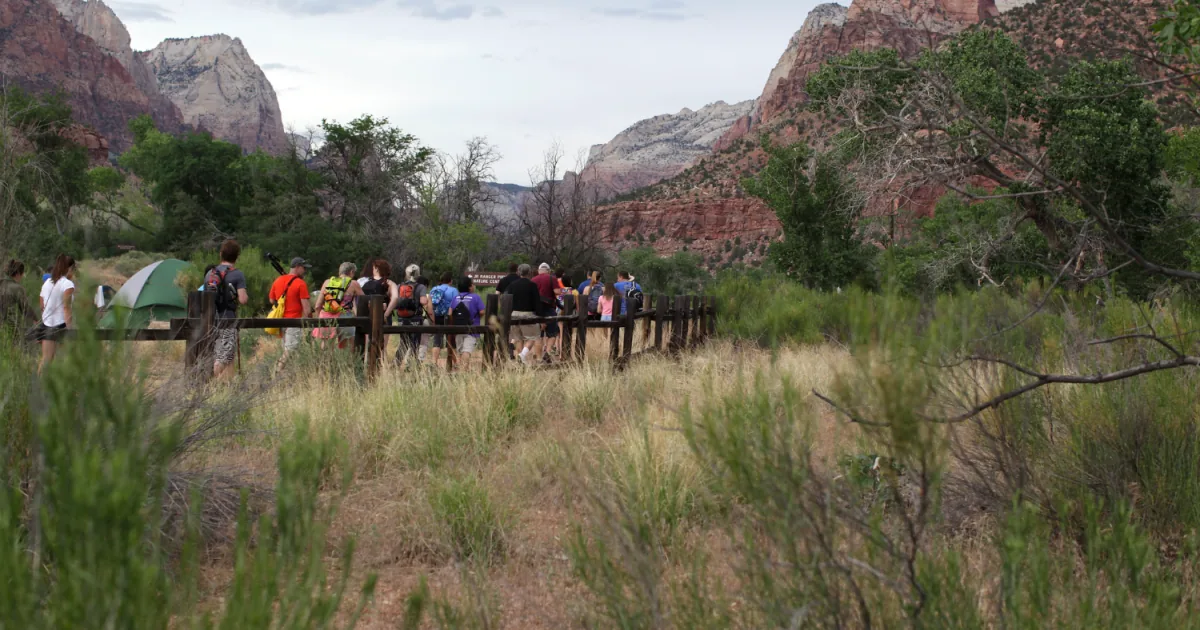
WASHINGTON, DC — National parks across Colorado and much of the country are drawing strong summer crowds again, even as international visitation has fallen by more than 40%. The result is a familiar mix of packed parking lots, long lines, noisy overlooks and trails where visitors can struggle to find a quiet moment.
Colorado State University history professor Michael Childers, whose book The Mountains Are Calling looks at how park popularity and management have shaped the system, said those crowds can make it harder to have the kind of experience many people expect from a national park. He described scenes where the setting can feel less like wilderness and more like an urban bottleneck.
What Rangers Are Seeing
Childers said heavy use does more than change the mood inside a park. It wears on boardwalks, bridges, restrooms and other aging facilities that already need attention. The federal backlog for deferred maintenance now tops $23 billion, a figure that helps explain why even basic repairs can lag behind visitor demand.
The National Parks Conservation Association has said climate change is the largest threat facing national parks and the plants and animals that live in them. Childers also pointed to the Trump administration’s decision to open more nearby public lands to drilling and other extractive uses, which he said adds more pressure around park boundaries.
How Crowding Changed
Childers said the pandemic-era timed reservation systems briefly eased the strain, in some cases cutting traffic by half. But he said many gateway communities opposed those limits because they worried fewer vehicles would mean less business, and that pressure helped push the Park Service away from reserving entry at many sites.
He argued that this leaves parks without a direct way to control how many people enter on busy days. The result, he said, is a system where local economies, visitor access and the park experience are all pulling in different directions, even though the same landscapes are expected to absorb more use every year.
What Comes Next
The challenges are not only on the ground but also in the budget and the workforce. Since October of last year, spending on national park projects outside Washington, D.C., has fallen by 70%, or $845 million, according to an Atlantic magazine investigation. Childers also said the National Park Service has lost nearly a quarter of its permanent workforce since January 2025.
He said staffing cuts have been severe enough to affect Yosemite, where he said a third of the staff has been lost. For visitors, that means small habits matter more than ever: picking up trash, staying within marked boundaries and treating fragile areas carefully. Readers can verify conditions, staffing and park guidance through the National Park Service and individual park offices.
Wild places, night skies and what science just found, on Timberwolf Times.