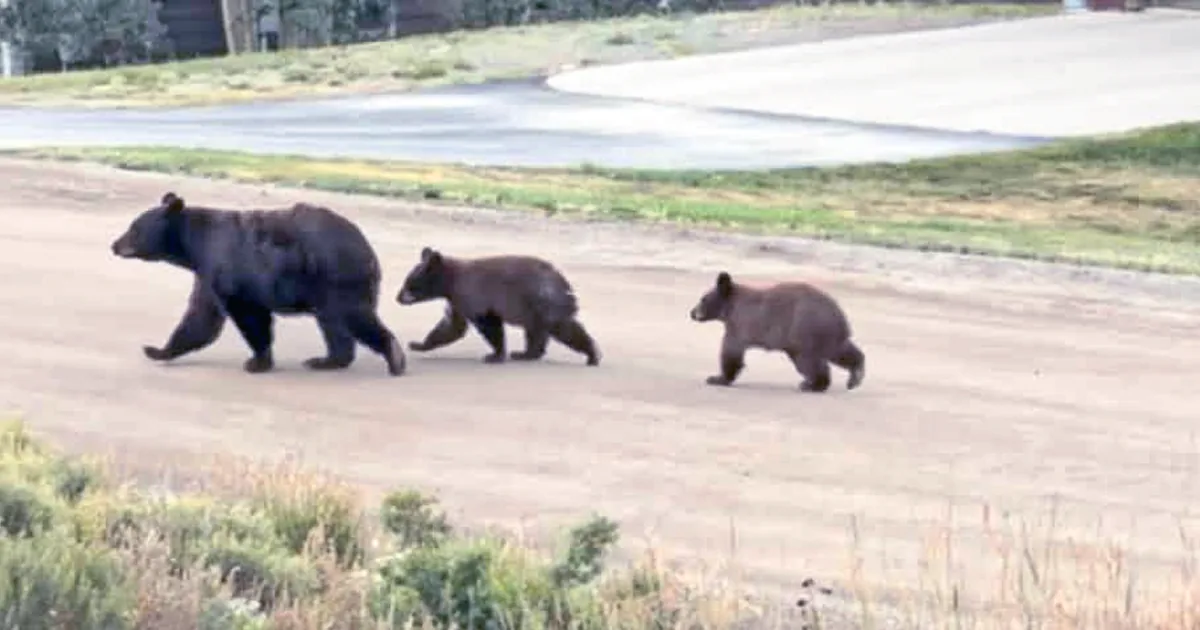
DENVER, CO — Colorado wildlife officials say a string of bear incidents this week included an attack in Aspen that injured a man sleeping in a park, as the state tracks what it describes as a record year for bear activity. The incidents arrived during a stretch when black bears are especially driven to search for food before winter.
Colorado Parks and Wildlife said the Aspen victim was sleeping in Rio Grande Park early Wednesday when a bear came close, sniffed him and then bit him on the head. He was treated for injuries to his head and face and was later released from the hospital. Officials later found a bear matching the description and euthanized the adult female under agency policy.
What Officers Found
CPW said the bear from Aspen was sent to its Wildlife Health Lab in Fort Collins for a necropsy and DNA analysis. The agency also tied several other recent encounters to the same seasonal pressure that is bringing bears into homes, cars and other human spaces across Colorado.
In Steamboat Springs, a woman was injured early Monday after a bear pushed through a damaged sliding glass door near Fish Creek Falls Road and struck her in the face when she tried to drive it out. In Eagle-Vail, a man was hurt Monday afternoon after a female black bear swiped at him outside an apartment complex as he was leaving a laundry room. He also injured a foot while fleeing.
Why Encounters Rise
Wildlife officials say the latest reports fit a larger trend. CPW received 6,129 bear sighting and conflict reports from Jan. 1 through Aug. 13, nearly twice the 3,115 reports recorded over the same stretch last year. The agency says 2026 is on track to set a record for bear reports since statewide digital tracking began in 2019.
That increase comes as bears enter hyperphagia, a late-summer and fall phase when they can spend up to 20 hours a day looking for food to build fat reserves for winter. CPW said low mountain snowpack, wildfires and drought have reduced natural foods such as berries, fruits, nuts, plants and grasses in parts of the state, making human attractants more appealing.
What Comes Next
Officials say unsecured trash, birdseed, pet food and other food sources can draw bears closer to neighborhoods and raise the odds of property damage, injuries and sometimes relocation or euthanasia. In one Crested Butte incident, a black bear was accused of entering a home and accidentally starting a kitchen fire; in Colorado Springs, another bear entered an unlocked car, became trapped and died.
CPW says residents can check its BearWise guidance for current advice and reporting information, including how to secure food sources, close and lock bear-accessible doors and windows, and respond if a bear is in a home or if a person encounters one. The agency’s warning is simple: keep bears wild, and leave plenty of room for them to move away.
Wild places, night skies and what science just found, on Timberwolf Times.