LOS ANGELES, CA — Roads can split up habitat so thoroughly that animals keep trying to cross where traffic is fastest and visibility is worst. That is the basic problem wildlife crossings are meant to solve, and the case for them is now being made as a matter of safety as much as conservation.
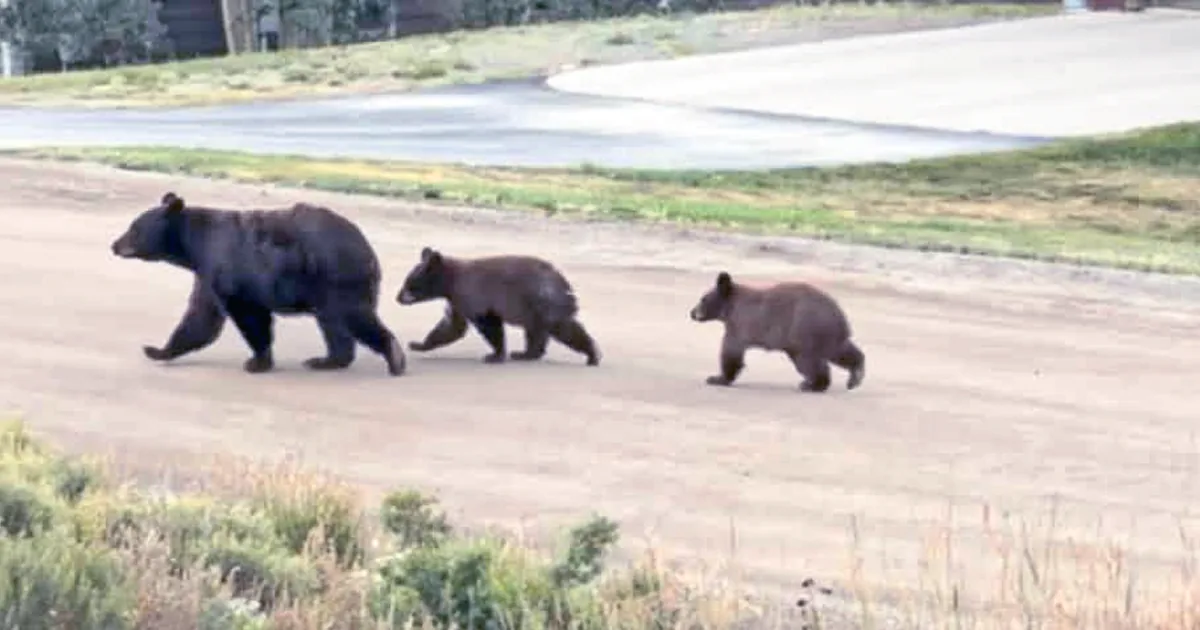
The source story says species such as deer, elk, bears, mountain lions, and turtles are among the animals most affected. When collisions happen, the damage can be severe for wildlife, drivers, vehicles, and public budgets that absorb repair and infrastructure costs.
How Crossings Help
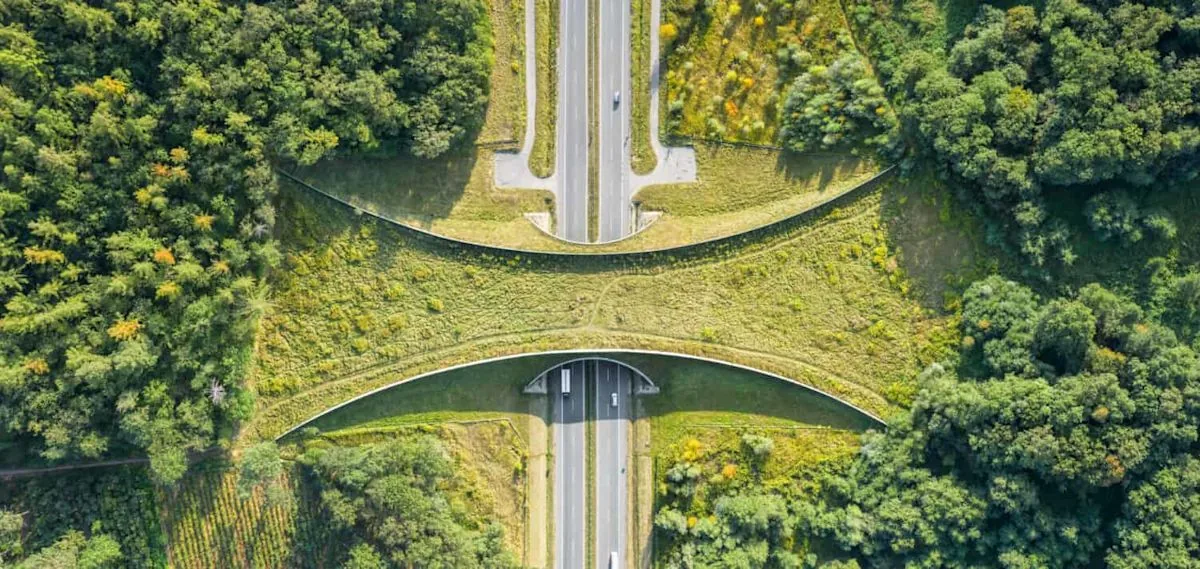
Wildlife crossings work by changing the roadway environment instead of asking animals or drivers to do all the work. Overpasses, underpasses, culverts, and fencing create a safer route that can steer animals away from open lanes and toward a place designed for passage.
Carson Barylak, a senior campaigns manager at the International Fund for Animal Welfare, said the strength of these crossings is that they do not depend on perfect human reaction time. Warning signs can help, but they still rely on drivers seeing them, understanding them, and slowing down before an animal appears.
Crossings are built to keep both movements going at once: traffic on the road, wildlife along its migration path. The article argues that this is why the structures are more effective than signs alone in many places.
Data Guides Placement
Planners do not place these structures at random. They look for collision hotspots, migration routes, animal behavior, landscape features, and local road conditions before deciding where a crossing has the best chance of working.
That information also shapes the design. Some species are more likely to use an overpass, while others may respond better to an underpass or culvert. Width, vegetation, access points, and exclusionary fencing all matter because a crossing is only useful if wildlife is actually guided to it.
The piece emphasizes that each project has to match the animals and terrain around it. In that sense, there is no one-size-fits-all crossing model, only a data-driven attempt to build the right one in the right place.
What Comes Next
The article points to the Wallis Annenberg Wildlife Crossing in Los Angeles County as a major U.S. example, describing it as a large effort meant to reconnect habitat fragmented by a busy freeway. It says the project has drawn support from Congress, California’s legislature, charitable groups, corporations, and individual donors.
Even with strong science, the article notes, projects can take years because of funding, permitting, planning reviews, material availability, weather, right-of-way concerns, and changing priorities. The broader takeaway is that support is growing because documented declines in collisions and use by target species have made crossings look less like experiments and more like practical infrastructure.
Readers who want to verify or track projects can look to state wildlife and transportation agencies, the National Park Service in some cases, and the organizations involved in specific crossings. The article’s central claim is cautious but clear: when crossings are properly planned and maintained, they can help wildlife and drivers at the same time.
Wild places, night skies and what science just found, on Timberwolf Times.